Bhutan
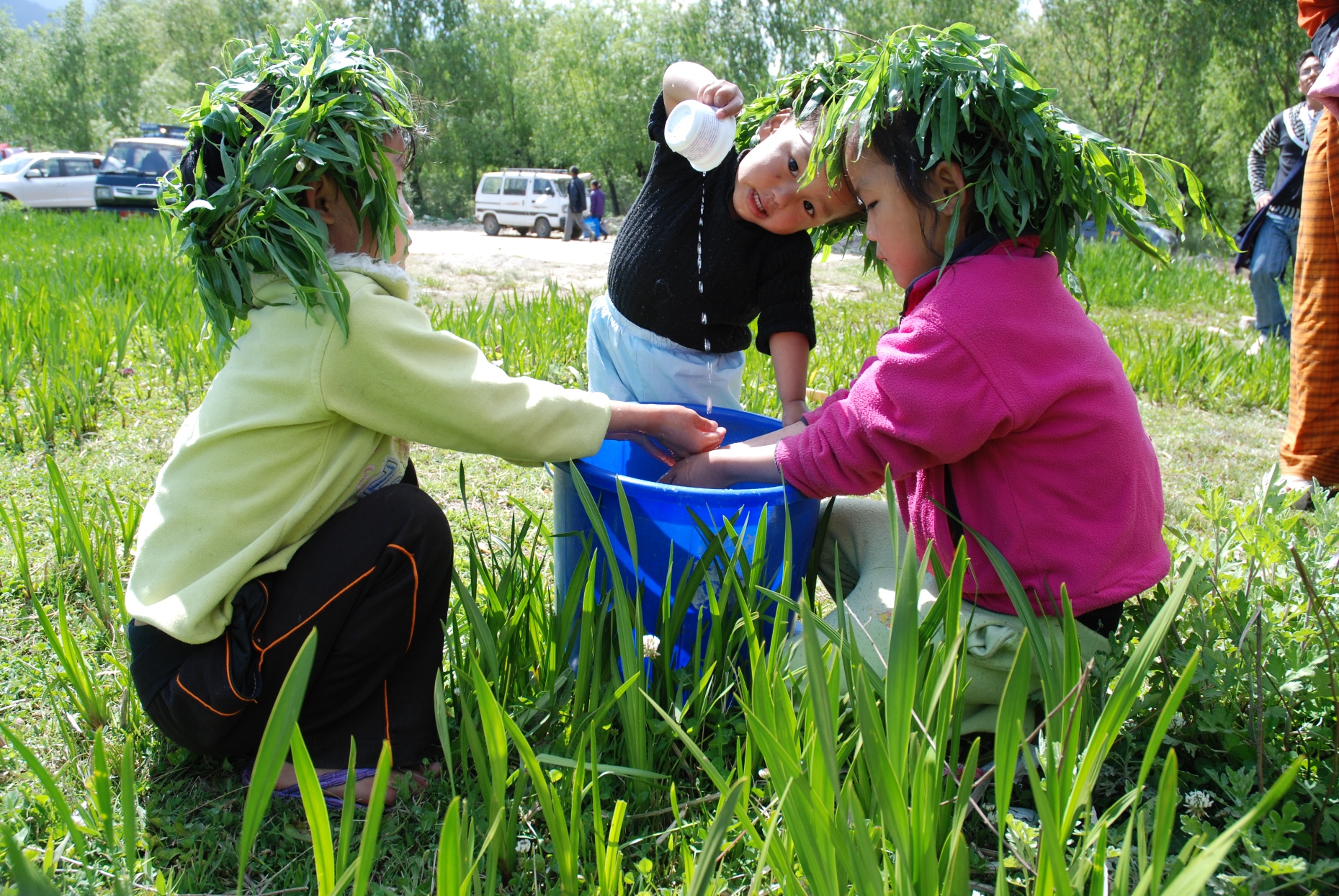
ECCD is a relatively new development in Bhutan. The government began to prioritize it beginning 2008 by drafting the National ECCD Policy which is currently pending approval. The draft policy has been instrumental in guiding the implementation of planned activities.
The term ECCD is generally used in Bhutan and includes three subgroups of children between birth and age 8: i) home-based parenting education programs for children under-three, ii) center-based ECD programs for children aged 3-5 years, and iii) preschool classes (PP-II) to enhance school readiness of children aged 6-8 years.
Bhutan shows progress in reducing under-five mortality rates. There is also a strong focus by the government to increase provisions of center-based ECCD to move from the current 17% towards a target of 50% by 2024 as mandated within the Education Blueprint. Provisions for children aged 3-5 years are supported via: i) fully-funded community centers by the government, ii) workplace centers supported by corporate agencies and employers, iii) private centers, and iv) NGO-initiated centers.
Challenges
- Lack of access to quality ECCD programs for children between 0 and 3 years.
- No clear designated lead for birth to three programs
- Limited capacity of ECCD personnel, including facilitators and teachers, to implement quality ECCD services.
Priorities
- Ensure access to quality ECCD programs for all children, including those with special needs.
- Enhance parenting and care practices within the home environment and communities.
- Strengthen early learning opportunities through ECCD centers by involving private operators, work places, NGOs, and communities.
- Ensure adequate resources to support ECCD programs, including capacity enhancement of teachers.
Stay tuned as we'll be publishing the updated Country Profile soon.
Ministries in charge
Ministry of Education
Key Policies
- ECD National Policy drafted in 2011; pending approval from the Cabinet Ministers.
- National Policy on ECCD
- Bhutan Education Blueprint
- Education Sector Strategy: Realizing Vision 2020 Policy and Strategy 11th Five Year Plan 2013-2018: Programme Profile (Vol.2)
National ECD Network
National Representative
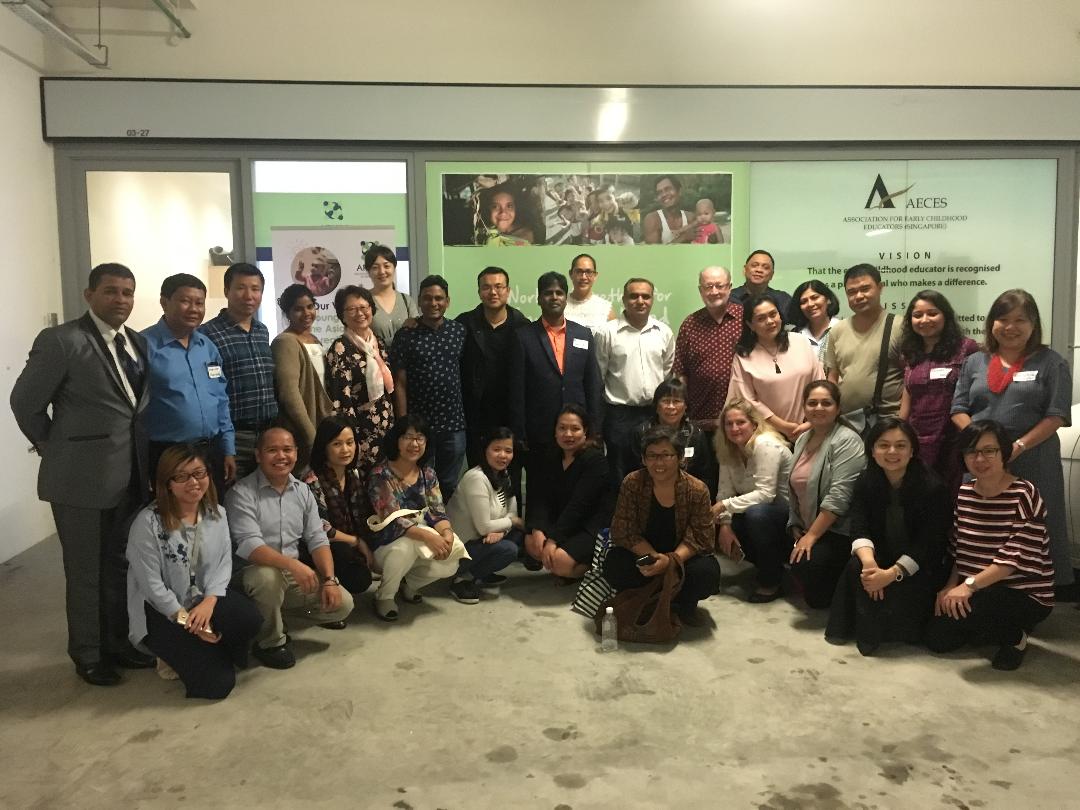
Arnec National Representative For Bhutan
Ministry Of Education
Mr. Chencho Waangdi
Tshenchox@gmail.com
Noteworthy Practices
1. Community-based ECCD center in disadvantaged communities (Implemented by Tarayana Foundation)
Noteworthy aspects: ECCD centers are housed in close proximity to the local community and benefit from a high-profile leadership/patronage. The centers also engage parents and community members, enhance quality of facilitators, incorporate nutrition, and utilizes multi-languages in its programming.
Achievements: Sustainability of ECCD programs is ensured through strong community engagement and government funding for full-time ECCD facilitators. Overall improvement in children’s learning, interaction, health, and well-being. Spillover effect is also observed with positive changes in families and community members.
2. Buzip or community daycare program (Implemented by Tarayana Foundation)
- Noteworthy aspects: Children aged 3 to 5 are cared for through play and learning opportunities while mothers are engaged in the workforce.
- Achievements: Parents, including mothers, are able to financially contribute to the family with proper childcare support.
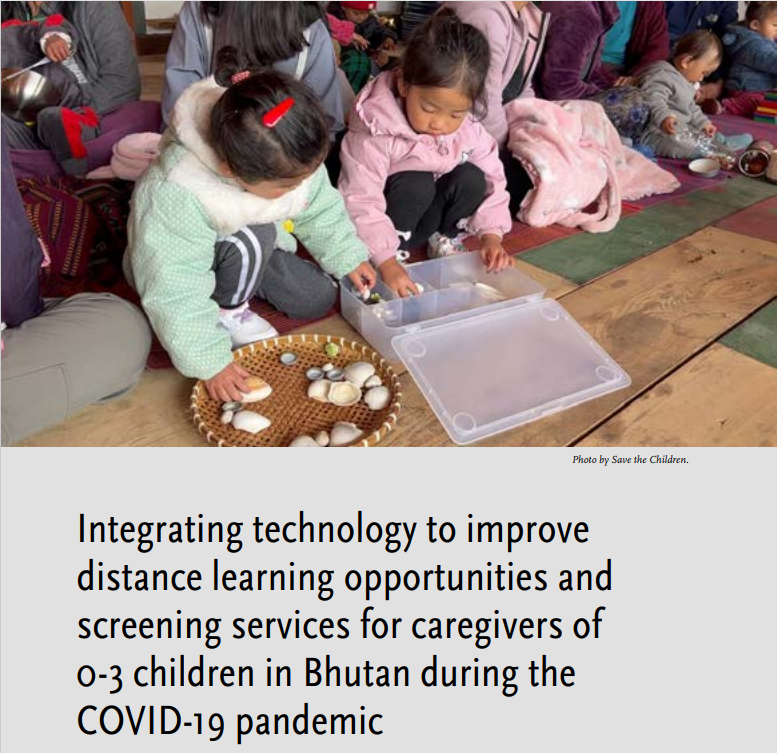
3. Learning materials made of locally available resources (Implemented by Save the Children)
- Noteworthy aspects: Parent volunteers participate in material development workshops using local resources and assist facilitators in their daily programs.
- Achievements: Involvement of parents ensure the sustainability of ECCD programs.
4. Community-based parenting education programs (Implemented by Save the Children)
- Noteworthy aspects: Parenting sessions are conducted by facilitators who are supported by health personnel, school principal, and district education officers. Sessions involved all community members, not just immediate parents whose children are enrolled at ECCD centers.
- Achievements: Parents and community members understand about child development, care, and the important period between conception to three.
Latest Resources
Lorem ipsum dolor sit amet, consectetur adipiscing elit. Aliquam at porttitor sem. Aliquam erat volutpat. Donec placerat nisl magna, et faucibus arcu condimentum sed.